Wood Background: A Versatile Foundation for Creative and Professional Projects
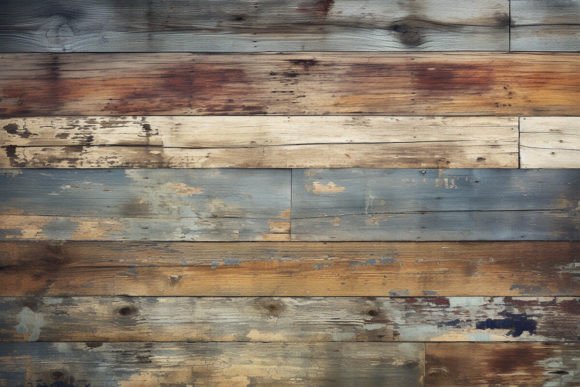
When you are scrolling through design resources or looking for the perfect backdrop to elevate a project, wood background images often stand out because they bring an immediate sense of warmth and authenticity. Unlike stark white spaces or overly polished gradients, wood textures carry history, character, and a tactile quality that digital screens can sometimes lack. This specific set of digital papers offers a 1200 × 800 pixel JPG file at 300 dpi, generated using Midjourney, which means it combines the organic randomness of natural timber with the precision of modern generative art.
For anyone from a hobbyist scrapbooker to a small business owner launching a new brand, having access to high-quality wood texture is not just about aesthetics; it is about setting the right tone. Whether you are designing a rustic wedding invitation or creating a professional business card for a craft brewery, the choice of background speaks volumes before a single word is read. This guide explores how this specific digital asset fits into real-world scenarios and why it might be the missing piece in your creative toolkit.
The Appeal of Authentic Wood Textures in Digital Design
In a world dominated by sleek, minimalist interfaces, there is a growing desire for designs that feel grounded and human. The wood background provided here captures the grain, knots, and subtle variations found in nature but delivers them in a format that is easy to manipulate. Because this image was created with Midjourney, it avoids some of the common pitfalls of stock photography, such as repetitive patterns or unnatural lighting, offering a unique look that feels bespoke.
The resolution of 300 dpi is particularly crucial for physical applications. If you plan to print your work, this level of detail ensures that the wood grain remains sharp and does not appear blurry or pixelated when scaled up. For digital use, the 1200 × 800 pixel dimensions provide ample space to layer text, stickers, or other graphic elements without losing clarity. It is a versatile canvas that respects both the screen and the printer.
Creative Applications for Hobbyists and Crafters
One of the most popular ways to utilize this wood texture is within the realm of personal creativity. Scrapbooking enthusiasts often struggle to find backgrounds that mimic the look of vintage photo albums or handmade journals. This digital paper allows you to create custom layouts that look like they were printed on actual aged wood, adding a layer of nostalgia to family memories.
- Planner Stickers: If you design stickers for bullet journals, a wood background provides a neutral yet textured base that makes colorful icons pop. You can overlay hand-drawn elements to create a cohesive "cabin core" or "rustic chic" aesthetic.
- Cardmaking and Invitations: For birthdays, weddings, or baby showers, a wood texture instantly communicates warmth. Imagine a birthday invitation where the guest's name sits atop a rich oak grain, giving the event a cozy, intimate feel right from the envelope.
- Collages and Photo Albums: When digitizing old photos, placing them against a wood backdrop can unify disparate images taken over different years. It acts as a visual anchor, tying the collection together into a single narrative.
Elevating Small Business and Brand Identity
Entrepreneurs and freelancers know that first impressions matter immensely. Your brand identity needs to communicate your values quickly, and sometimes, the simplest element—a background—can do the heavy lifting. A wood background is particularly effective for businesses that want to emphasize sustainability, craftsmanship, or a connection to nature.
Consider a local coffee shop owner designing their menu or a boutique selling handmade soaps. Using this texture on their digital flyers or social media posts creates an immediate association with organic ingredients and artisanal quality. It tells the customer, "We care about the details," without needing a paragraph of marketing copy.
- Business Cards: Printing a business card with a subtle wood grain texture adds a tactile dimension that standard matte or glossy cards lack. Even if the card itself is white, using this background for the header or footer can frame your contact information elegantly.
- Stationery and Letterhead: For consultants, writers, or educators, letterhead sets a professional yet approachable tone. A wood texture suggests reliability and tradition, making clients feel comfortable sharing sensitive information.
- Fabric Printing: If you are a designer creating patterns for clothing or home decor, this image serves as an excellent base. You can blend it with other graphics to create fabric prints that feature a rustic, earthy vibe, perfect for fall collections or outdoor gear.
Digital Marketing and Web Design Strategies
Beyond print, the utility of this digital paper extends significantly into the digital sphere. Web designers often face the challenge of making websites feel less sterile. Incorporating a wood texture as a section background or a subtle overlay can break up large blocks of content and guide the user's eye naturally across the page.
Bloggers and content creators can use this asset to enhance their featured images or sidebar graphics. Instead of using generic solid colors, a wood background can make a blog post about gardening, woodworking, or interior design feel more immersive. It helps establish authority and context immediately.
When creating email newsletters, a well-chosen background can increase engagement rates. A clean, professional email with a wood-textured header can distinguish your message from the cluttered inboxes of competitors. It signals that you have put thought into the presentation, which often translates to higher trust from the reader.
What to Consider Before Using the Asset
While this wood background is highly versatile, successful integration requires a bit of strategic thinking. Since the image is generated by AI, it may have unique characteristics that differ slightly from a photograph of real wood. It is important to review the specific grain direction and color tones to ensure they align with your project's mood.
Color consistency is another factor. If you are layering text or graphics over the wood, ensure there is enough contrast. Dark wood grains might require light-colored fonts to remain legible, while lighter textures can accommodate darker text. Always test your design in both digital and print formats to see how the colors translate.
Additionally, consider the licensing and usage rights. While this set is perfect for a wide range of projects, including commercial ones like invitations and web graphics, always double-check the specific terms associated with the digital download. Understanding the scope of use ensures you can apply the asset confidently in your business cards, fabric printing, or client presentations without legal concerns.
Bringing Your Vision to Life
Ultimately, the value of a wood texture lies in its ability to adapt to your specific needs. Whether you are a teacher creating a lesson plan cover sheet, a marketer designing a campaign for a home goods brand, or a parent organizing a child's photo album, this digital paper offers a foundation that feels both timeless and modern. By leveraging the high resolution and realistic detail provided by this Midjourney-generated asset, you can transform simple ideas into polished, professional results.
Don't underestimate the power of a good background. It is the stage upon which your content performs. With a wood background that is crisp, detailed, and ready for 300 dpi printing, you have the tools to create projects that resonate with audiences on a deeper, more emotional level. From the first click on a website to the final touch of a printed invitation, let the warmth of wood guide your creative process.