Branch Texture Svg: A Practical Guide to Minimalist Vector Assets for Creative Projects
In the realm of digital design and physical crafting, finding a texture that balances aesthetic appeal with technical flexibility is often a challenge. Branch Texture Svg represents a specific category of vector assets designed to offer high adaptability without sacrificing visual clarity. Unlike raster-based images that lose quality when resized, this format provides a seamless solution for users who require precision in their work. The core value proposition lies in its ability to function as a minimalist pattern on a transparent background, allowing designers and crafters to integrate natural elements into diverse projects without unwanted borders or background noise.
Understanding the Distinctive Nature of Branch Texture Svg
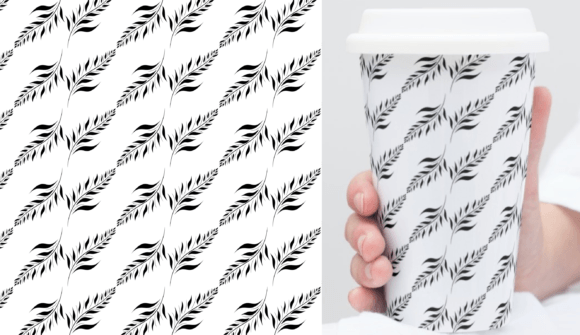
The primary distinction of Branch Texture Svg compared to standard image files is its vector nature. While many textures found online are limited by pixel resolution, this asset is defined by mathematical paths. This means the black branches are not merely a static image; they are editable data. The transparency of the background is a critical feature, ensuring that the texture can be overlaid onto any color scheme or photograph without masking the underlying content. This characteristic makes it particularly distinct from opaque clipart or watermarked images that restrict usage rights.
The minimalist approach is another defining factor. In an era where design trends oscillate between maximalism and simplicity, these black branch patterns offer a neutral yet organic foundation. They do not compete with other design elements but rather enhance them. Whether used as a subtle watermark or a bold structural element, the clean lines of the branches provide a sense of structure and nature that fits well within modern, Scandinavian, or rustic design aesthetics. The lack of color within the base file allows for complete customization, turning a simple black line art into a vibrant graphic or a sophisticated monochrome piece depending on the user's intent.
Evaluating Format Versatility and Technical Specifications
When evaluating digital resources, the file formats provided are just as important as the visual design itself. The Branch Texture Svg package includes four distinct RGB color mode files, each optimized for different workflows. This variety addresses the common pain point of compatibility across various software platforms.
- PNG (600 DPI, 3600 x 3600 pixels): This high-resolution raster version is ideal for printing large-scale items like fabric prints or wall murals where vector editing is not required. The 600 DPI ensures sharp edges even at close inspection, making it superior to standard web-quality images.
- SVG (1000 x 1000 pixels): As the native vector format, this is the most versatile option for web design and cutting machines. It allows for infinite scaling without pixelation and enables users to change colors instantly within design software.
- EPS (1000 x 1000 pixels): Preferred by professional print shops and legacy design software, this format ensures compatibility with older systems while maintaining vector integrity.
- PDF (1000 x 1000 pixels): Useful for document embedding and quick previews, this format bridges the gap between screen viewing and print preparation.
This multi-format approach contrasts sharply with single-file downloads that often force users to convert formats manually, risking quality loss. By providing both high-res raster and scalable vector options, the product caters to both digital-first creators and traditional print artisans.
Comparing Approaches: Vector Textures vs. Raster Alternatives
Designers often face a choice between using pre-colored, fixed-size images and scalable vector textures. When considering Branch Texture Svg, it is essential to weigh the tradeoffs against raster alternatives like JPEGs or low-resolution PNGs. Raster images are easier to use for beginners who simply want to drag and drop an image into a project. However, they suffer from "pixelation" when scaled up. If you attempt to enlarge a raster branch texture for a t-shirt print or a large business card, the edges will become jagged and blurry.
In contrast, the vector nature of the Branch Texture Svg eliminates this limitation. You can scale the image from the size of a postage stamp to the dimensions of a billboard, and the black branches will remain crisp. This scalability is a decisive factor for professionals who need to produce materials in varying sizes. Furthermore, the ability to edit the color of the branches directly within the software offers a level of control that raster images cannot match. With a raster image, changing the color often requires complex masking or recoloring tools that may degrade the image quality. With the SVG version, a single click changes the hue, preserving the sharpness of the lines.
However, there are scenarios where a raster alternative might suffice. If a user only needs a small icon for a website header and has no intention of resizing it, a standard PNG might be more convenient due to smaller file sizes and faster loading times. But for any project involving physical production, branding consistency, or custom coloring, the vector format remains the superior choice.
Ideal Use Cases and Creative Applications
The versatility of Branch Texture Svg extends across a wide spectrum of creative industries. Its minimalist design makes it an excellent candidate for branding and identity work. For businesses seeking a logo that conveys growth, stability, or nature, these branches can serve as the foundational icon. Because the file is easily scalable and color-editable, it adapts seamlessly to different brand guidelines, whether the final output requires a stark black-and-white look or a full-color variation.
In the realm of stationery and paper goods, the transparent background is invaluable. Designers can create wedding invitations, postcards, and magazine covers where the branch texture acts as a frame or a border. The texture can be placed behind text without obscuring readability, adding a touch of elegance to the layout. Similarly, for DIY enthusiasts, these assets are perfect for scrapbooking and decoupage. The ability to cut precise shapes from the SVG file using electronic cutting machines opens up possibilities for creating custom stickers, tags, and decorative elements for furniture or mirrors.
Clothing and accessories also benefit from this resource. Printing on t-shirts, mugs, and fabric requires high-resolution, scalable graphics to ensure the design does not crack or blur after washing. The 600 DPI PNG and the scalable SVG ensure that the branch pattern looks professional on apparel. Additionally, the texture can be used to create patterns for wrapping paper or upholstery, transforming plain surfaces into unique designs with minimal effort.
Decision Factors: When to Choose This Resource
Selecting the right digital asset depends heavily on the specific requirements of the project. Branch Texture Svg is the right choice when the project demands flexibility, scalability, or custom color integration. If you are planning a long-term brand identity, creating a series of products with consistent branding, or engaging in a craft project that involves cutting or layering, the vector format is essential. The inclusion of multiple file formats ensures that you have the necessary tools for both digital display and physical production.
Conversely, if your project is strictly temporary, such as a one-time social media post that will not be resized or printed, a simpler, lower-cost raster image might be sufficient. However, given the potential for future reuse, investing in a high-quality vector asset like the Branch Texture Svg often proves more cost-effective in the long run. The time saved by not having to recreate or upscale the image later justifies the initial acquisition of a comprehensive package.
Ultimately, the decision comes down to the balance between convenience and capability. While raster images offer immediate ease of use, they limit future possibilities. The Branch Texture Svg strikes a balance by offering immediate usability through its included PNG files while retaining the advanced capabilities of vectors for future modifications. For adults aged 20 to 50 who are exploring creative hobbies or managing professional design tasks, this resource provides a robust foundation for innovation. Whether you are designing a wedding invitation suite, developing a new clothing line, or simply organizing your personal scrapbook, the ability to scale, recolor, and edit ensures that your vision is not constrained by technical limitations.
By understanding the strengths of vector technology and the specific advantages of this particular texture, users can make informed decisions that enhance the quality and longevity of their creative outputs. The combination of minimalist design, technical flexibility, and broad application scope makes it a valuable addition to any digital toolkit.